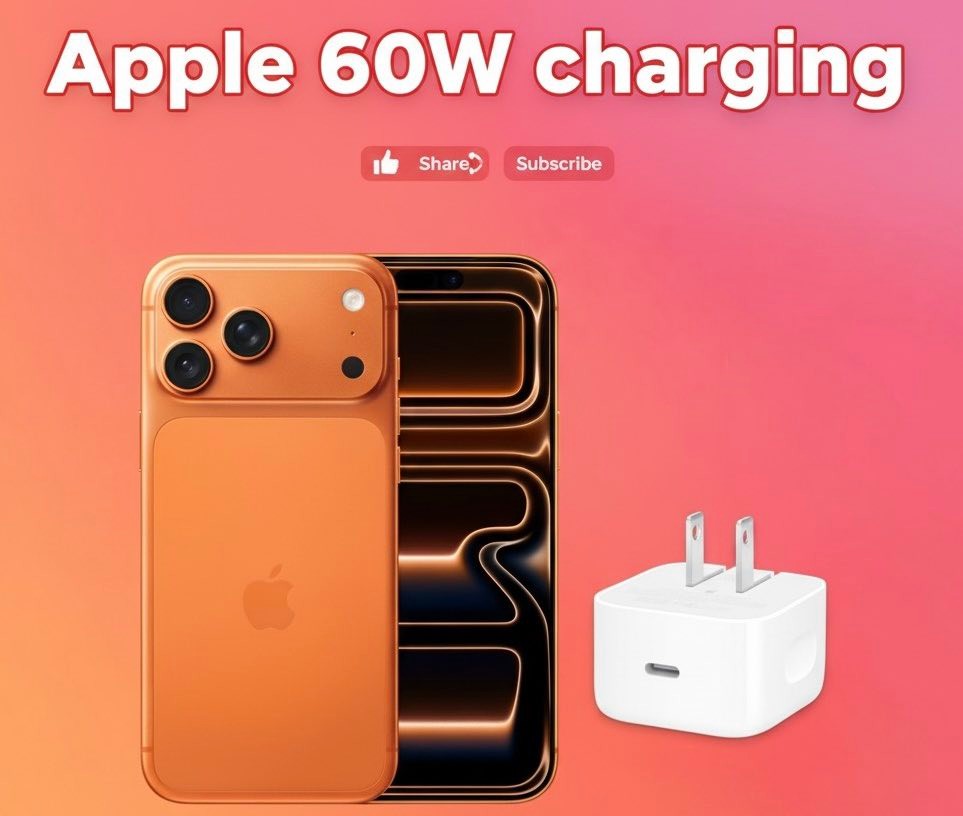
With a bigger battery and new motherboard design, Apple finally upgraded iPhone fast charging (last updated in 2017) from standard USB-PD to the latest USB-PD 3.2 AVS.
Apple actually debuted AVS in 2021 with the 140W MacBook Pro charger, but now it’s coming to iPhone.
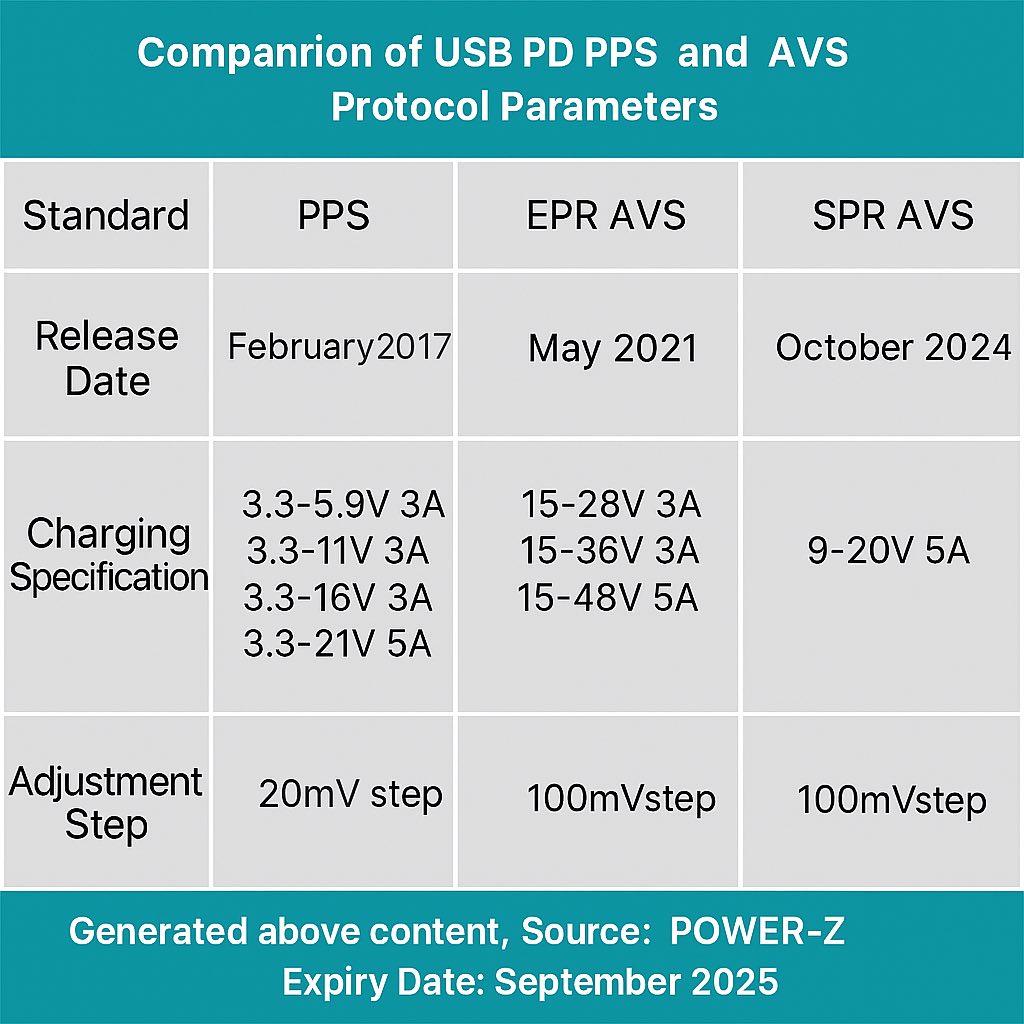
Why AVS instead of PPS (the Android favorite)? • PPS: Ultra-precise (20mV steps) but comes with baggage. It fixes the current output, usually capped at ~2.xA. That means if a phone needs higher current, PPS throttles total power and slows charging. Add to that Android’s jungle of proprietary fast-charging standards, and PPS support becomes messy, inconsistent, and often limited. • AVS: Simpler (100mV steps), cheaper, and more flexible since it doesn’t lock the current. The real win? It shifts most of the heat from the iPhone into the charger, keeping your phone cooler and the battery healthier.
And here’s the kicker: AVS is likely to become the new standard. Why? Because PPS’s supposed advantage—fine current control—is mostly theoretical. In the real world, cheap cables and chargers ruin that precision anyway. So you end up paying more for complexity that doesn’t deliver real benefits.
Hope you learn something new today !! see Ya!!
Topics
Related trivia
- Apple Trivia · September 17, 2025 Jin Daily Tech Trivia: Did you know most high-power chargers actually lie about their output?
- Car Trivia · November 10, 2025 Jin Daily Tech Trivia: Megawatt EV Charging Showdown – Huawei’s 3-Gun Monster
- Tech Trivia · September 27, 2024 Daily Trivia: When Did You Start Using a Power Bank?